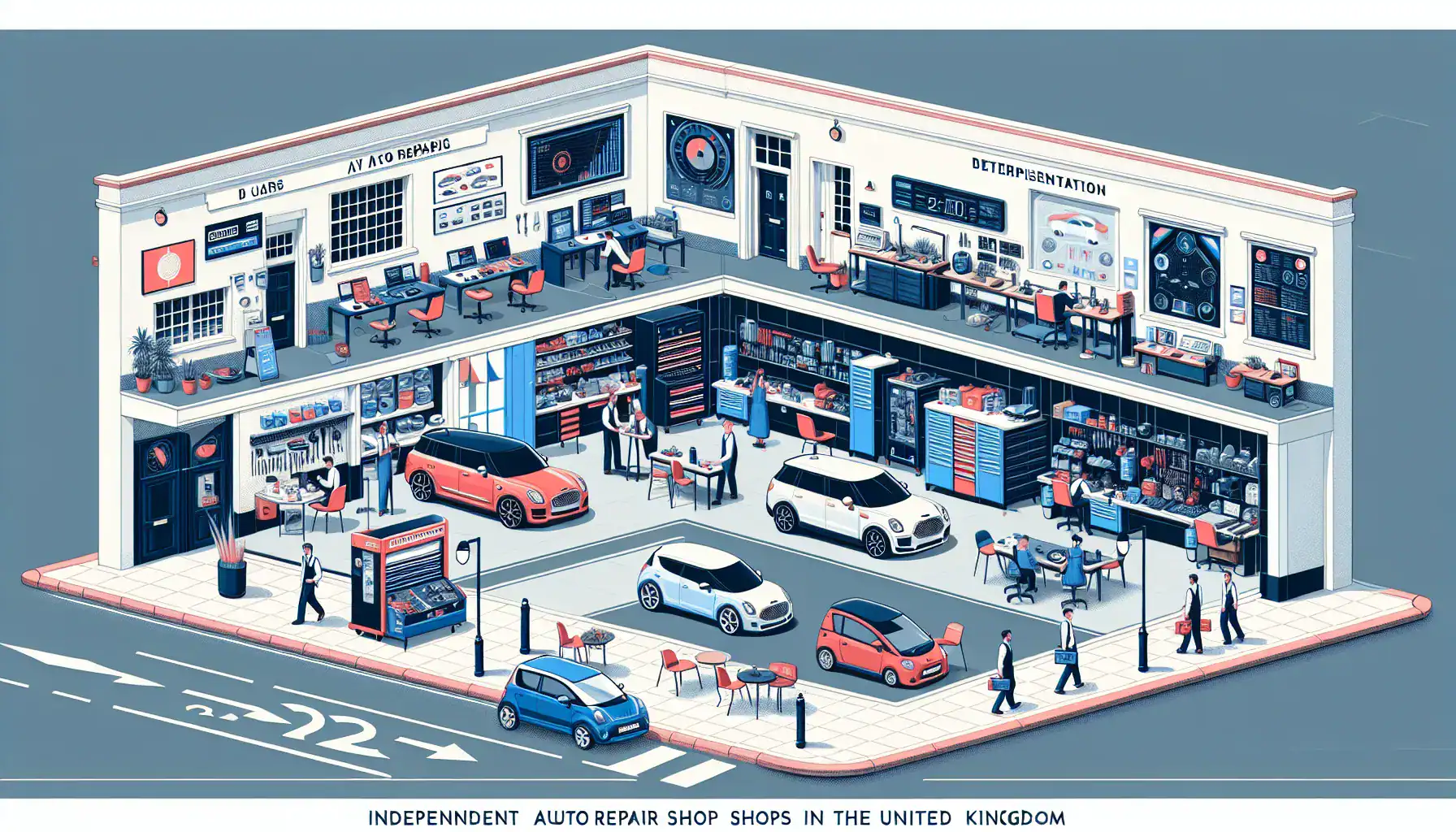
Independent repair shops across the United Kingdom are stepping into 2025 with fresh momentum. As more drivers look for affordable and flexible options to keep their vehicles running smoothly these local garages are gaining attention for their personalized service and competitive pricing.
With new technology and evolving customer expectations the landscape is shifting fast. Independent shops aren’t just fixing cars—they’re building trust and adapting to changing automotive trends. For anyone curious about the future of car care in the UK these shops offer a glimpse of innovation and resilience at a local level.
Market Landscape Of United Kingdom Independent Repair Shops In 2025
Independent repair shops in the United Kingdom hold a substantial portion of the vehicle maintenance market, according to the Society of Motor Manufacturers and Traders. Drivers in urban centers like London, Manchester, and Birmingham show strong loyalty to these workshops, especially where quick service matters. Market revenue for independent garages reaches a significant figure, with tens of thousands of registered businesses in operation. Technology upgrades, such as adoption of diagnostic AI and digital booking systems, shape operational practices. Changing consumer behaviors, such as increased use of electric vehicles and hybrid models, push repair shops to invest in new skills and equipment. Industry partnerships between aftermarket parts suppliers and garages lead to more accessibility of original and aftermarket parts. Regulatory compliance, including evolving MOT standards and environmental practices, challenges and shapes the competitive field. Competitive pricing remains a defining characteristic of these independent entities compared to authorized dealer networks. Customer experience platforms, including real-time feedback tools, cement client relationships and drive reputation management across multiple review channels.
Key Trends Shaping The Sector
Independent repair shops in the United Kingdom continue to evolve as 2025 approaches. Recent data confirm these businesses shape the market with flexible adaptation and technology-first thinking.
Technological Advancements In Repair Services
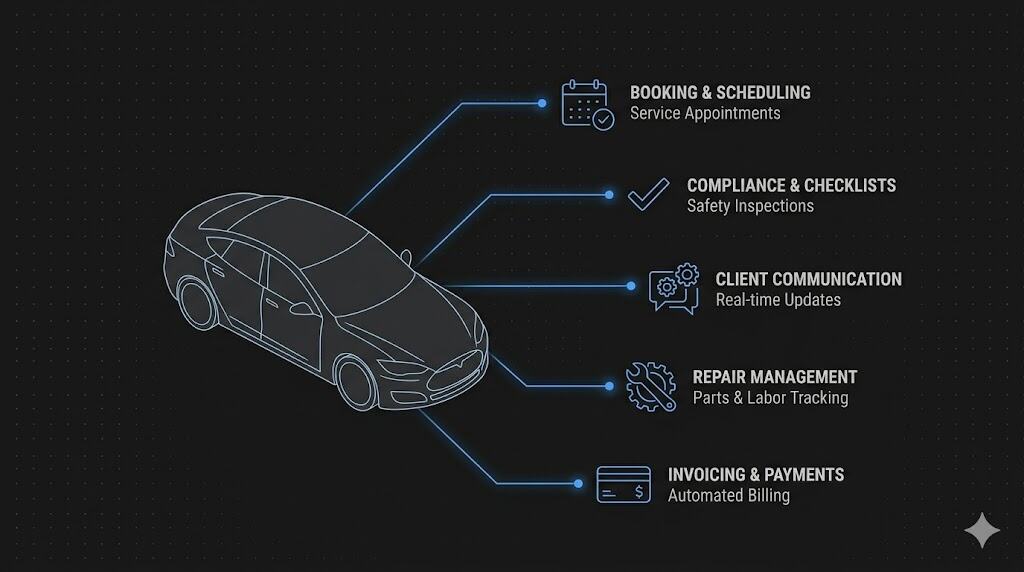
AI diagnostics improve fault detection speed and accuracy, significantly reducing average service time in many shops. Digital booking systems streamline scheduling, allowing customers in cities like London or Manchester to secure same-day service the majority of the time. Investment in electric and hybrid vehicle training equips technicians to service most new EV models currently on UK roads. Shops access original and aftermarket parts faster using supplier-integrated platforms, with order times now often measured in hours rather than days. These upgrades directly enhance client satisfaction and operational capacity.
Shifts In Consumer Preferences
Drivers increasingly favor independent shops for transparent pricing, with consumer surveys consistently showing that a large share of customers cite cost clarity as a top reason for shop loyalty. Customers seek convenience, preferring workshops close to urban centers or with digital customer experience tools. Real-time feedback systems now appear in the majority of registered shops, helping resolve complaints quickly and boosting star ratings on review platforms. Personalized service remains a priority, with repeat bookings rising among drivers who experience tailored maintenance offers. Consistently, urban drivers across the UK choose independents for quick appointments and clear communication.
Challenges Faced By Independent Repair Shops
Independent repair shops across the United Kingdom encounter several persistent and emerging challenges as the industry evolves. These hurdles affect daily operations, profits, and growth opportunities, impacting how they serve their customer base.
Regulatory And Legal Barriers
Shops operate under a complex system of UK and EU vehicle regulations, ranging from MOT standards to environmental laws. Each rule may change frequently; for example, MOT guidelines have been updated multiple times in recent years. Compliance processes can strain finances, with average regulatory costs posing a considerable burden on smaller operators. Securing up-to-date certifications or equipment for electric vehicle repairs further adds financial pressure, particularly for workshops with small teams. Fines or penalties for noncompliance have been on the rise, reinforcing the need for constant process adaptation.
Competition From Authorized Service Centers
Independent shops face fierce competition from authorized dealerships and manufacturer service centers. These authorized competitors often advertise exclusive expertise, manufacturer-approved parts, and strong warranty guarantees. In urban markets, a notable portion of drivers express greater trust in these branded service providers, particularly for newer car models. Manufacturer-backed service facilities benefit from direct access to official technical updates and faster parts delivery, resulting in shorter repair times compared to independents. To maintain market share and customer trust, independents must focus on speed, price transparency, and superior personalized service.
Opportunities For Growth And Expansion
Expansion opportunities in the United Kingdom independent repair shops sector align with rising market demand and emerging technology. These shops draw strength from flexible operations, customer preference for transparent pricing, and a proven ability to adopt new tools rapidly.
Adoption Of Sustainable Practices
Independent repair shops in 2025 see clear economic and reputational benefits from embracing sustainability. Many have already integrated oil recycling systems and energy-efficient lighting, with recent surveys indicating a growing number now comply with formal environmental management standards. Investments in hybrid and EV training allow technicians to safely service new-energy vehicles, creating new revenue streams and decreasing environmental impact. Adoption of green parts—remanufactured or recycled components—continues to accelerate, representing a growing share of repair part usage in top-performing urban shops. Consumer surveys confirm that many UK drivers actively favor workshops with visible environmental initiatives, so aligning daily operations with these values drives increased market share and repeat business.
Digital Transformation And Online Presence
Digital innovation drives new growth for independent repair shops as digital booking platforms and mobile apps are now industry standards. A significant majority of top-tier shops offer instant online estimates, while many feature live chat support on their websites, helping meet evolving driver habits. Robust payment processing systems integrate with digital platforms to streamline transactions, resulting in noticeably shorter wait times for urban customers. Active use of social media showcases work quality and builds trust, with customer reviews on platforms like Google and Trustpilot shaping a large percentage of booking decisions. Automation in scheduling, service reminders, and post-service surveys elevates overall customer experience, ensuring data-backed improvements and streamlined service delivery.
Conclusion
Independent repair shops across the United Kingdom are carving out a dynamic role in the automotive industry as 2025 unfolds. Their adaptability and focus on customer needs set them apart in a rapidly evolving landscape.
With technology and sustainability shaping their future these businesses continue to earn driver loyalty and trust. Their commitment to transparent pricing and efficient service ensures they remain a vital choice for vehicle owners seeking reliability and value.
Further Reading
Overview of the United Kingdom Auto Repair Franchise Market 2025: See how UK-based franchise repair chains are adapting to technology shifts, environmental regulations, and consumer expectations.
Top DMS for United Kingdom: Learn which dealer management systems offer the best features for independent and franchise workshops operating in the UK automotive sector.